
A Closer Look at the Craft, Precision, and Possibilities Behind Professional Ring Resizing
The perfect ring should feel just as right as it looks—but what happens when it doesn’t quite fit? Learn everything you need to know about achieving the perfect fit with professional resizing.

The Ultimate Ring Resizing Guide
Everything You Need to Know About Achieving the Perfect Ring Fit with Professional Resizing
Finding the perfect ring is an unforgettable moment—but achieving the perfect fit doesn’t always happen right away. Because most rings are sold in standard sizes, many people eventually need their ring resized to ensure it feels comfortable, secure, and natural to wear.
Whether your ring feels too tight, spins on your finger, or simply needs adjusting for a different finger, professional ring resizing is a common and highly precise process. In this guide, we’ll take a closer look at how ring resizing works, the factors that determine whether a ring can be resized, and how expert jewelers carefully adjust your ring while preserving its strength, beauty, and craftsmanship.

Everything You Need to Know About the Ring Resizing Process
Things to Know About Ring Resizing
Ring resizing is one of the most common jewelry services, yet many people are unsure how the process actually works. In this ring resizing guide, we’ll explain why rings often need resizing, how jewelers adjust ring sizes, and what factors determine whether a ring can be resized safely.
Most rings sold by jewelry retailers come in standard stock sizes—typically size 7 for women and size 10 for men. Because everyone’s fingers are different, many rings need to be resized after purchase to achieve the perfect fit. If your ring feels too loose, too tight, or you simply want to wear it on a different finger, a professional ring resizing service can adjust the size while maintaining the ring’s strength and appearance.
It’s also normal for your ring size to change over time. Factors such as temperature, activity level, and natural body changes can affect how a ring fits throughout the day or over the years. Fortunately, resizing a ring up or down is a routine procedure performed by experienced jewelers.
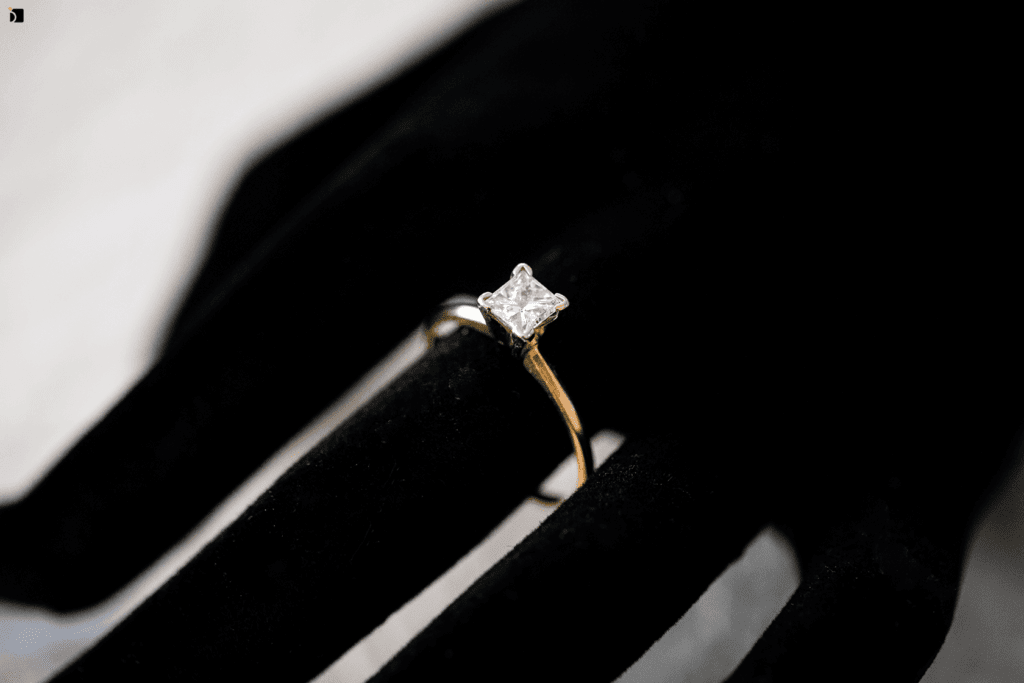
However, not all rings can be resized the same way. The design of the ring shank (the band) plays an important role in determining how much adjustment is possible. Rings with plain metal bands are usually the easiest to resize, while rings with intricate patterns, engravings, or gemstones set along the band may require additional care.
As a general rule, most rings can be resized up or down about two sizes, though this can vary depending on the ring’s design, metal type, and setting style. Because every ring is unique, it’s always best to have the piece evaluated by a professional jeweler who can determine the safest resizing method.

How to Get the Perfect Fit for Your Ring Size
Determining the Right Ring Size
Getting the perfect ring fit starts with understanding a few key factors that influence ring size accuracy. Many people are surprised to learn that finger size can change throughout the day depending on activity levels, temperature, and even hydration. The design of the ring and which finger you plan to wear it on can also affect how a ring fits and feels.
Because of these variables, it’s important to determine your true ring size before making any adjustments.
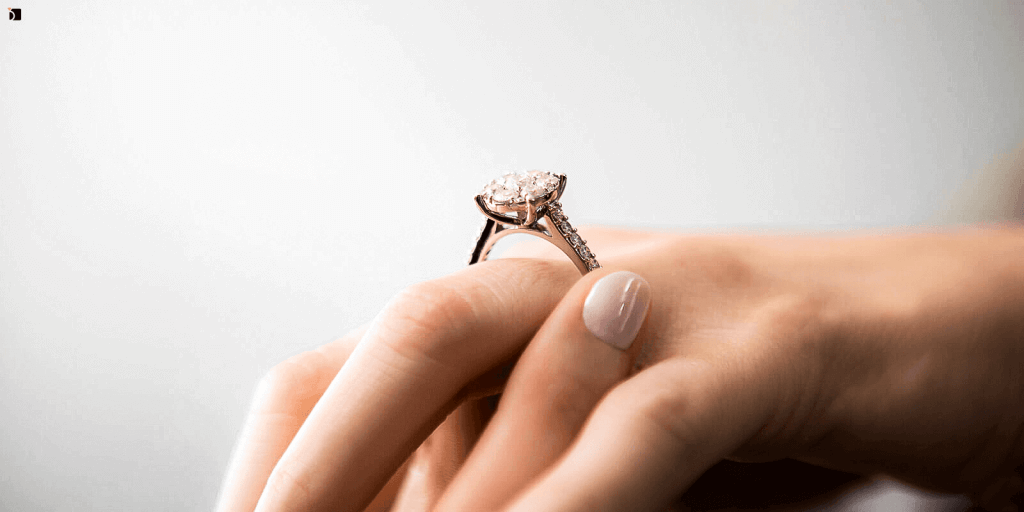
What Is the Best Way to Determine Your Ring Size?
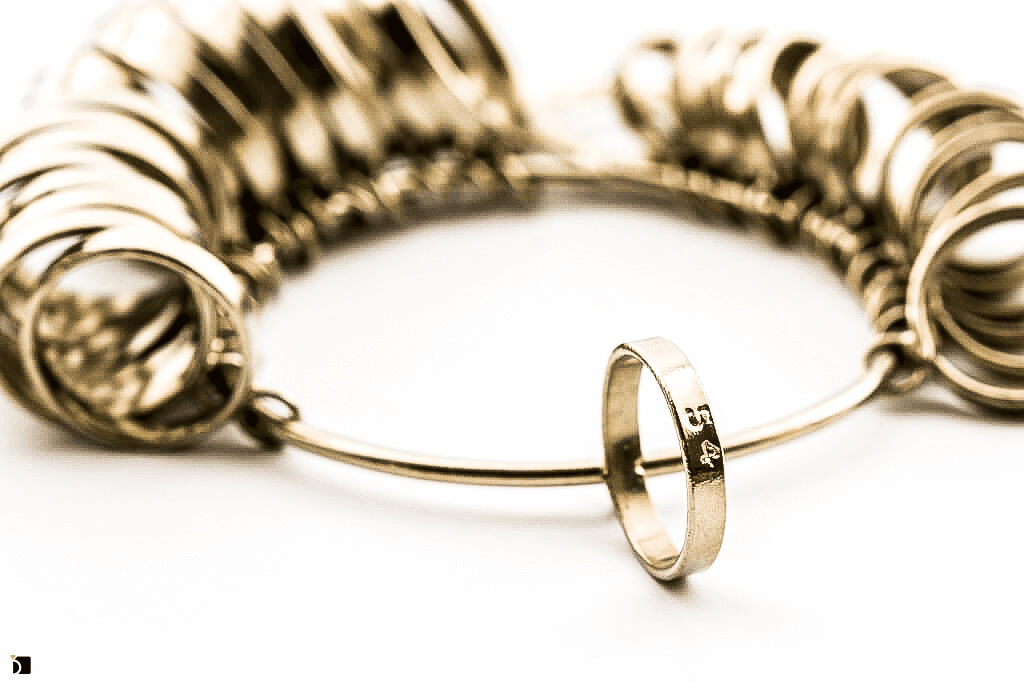
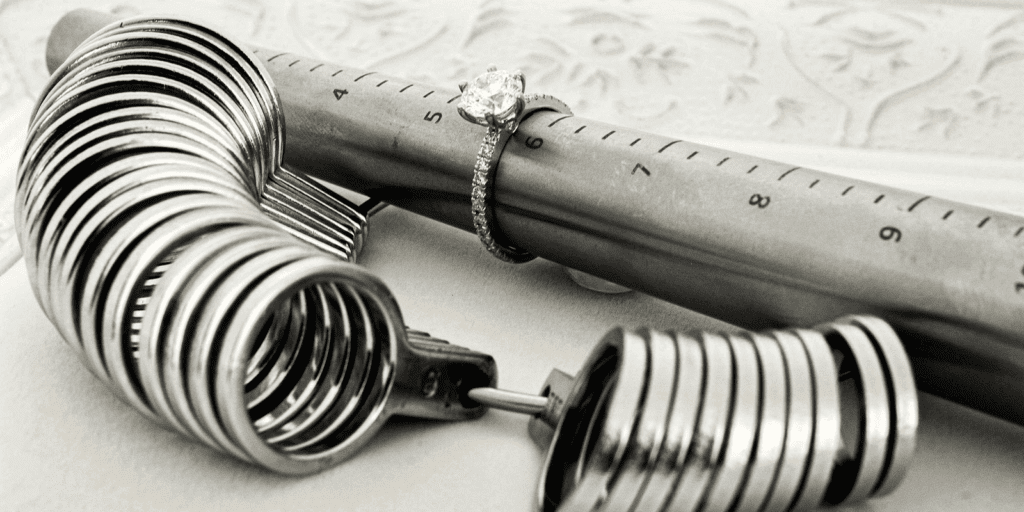
The most reliable way to measure your ring size is to have your finger professionally measured by a jeweler. Jewelers use specialized sizing tools that accurately measure both your finger and the current size of your ring. This allows them to determine exactly how many sizes the ring needs to be adjusted up or down for the best possible fit.
If visiting a jeweler isn’t possible, there are a few alternative methods you can try at home. Many people determine their size by measuring an existing ring that fits well or by using the paper or string method to estimate their finger circumference. While these methods can provide a helpful estimate, professional measurement is always recommended for the most accurate results.
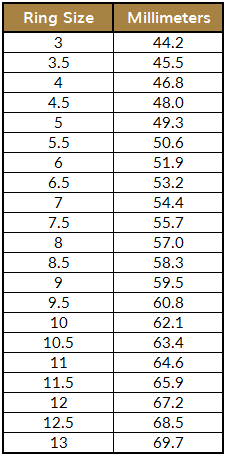
For more detailed instructions on finding the right fit, explore our Ring Sizing Guides and Tools to learn how to measure your finger size properly.
Once you know your correct ring size, our Master Jewelers at My Jewelry Repair can handle the rest. Ring resizing is one of the most common jewelry repairs we perform, and our experts carefully adjust each ring to ensure a comfortable fit while preserving the beauty and integrity of the piece.
A Detailed Look Into the Ring Resizing Process
How Professional Ring Resizing Works
Understanding the ring resizing process can help you feel confident when trusting a jeweler with your most meaningful jewelry. Professional ring resizing is a precise procedure that adjusts the size of a ring while preserving its strength, structure, and appearance.
At My Jewelry Repair, our Master Jewelers can resize rings made from a wide variety of metals, including gold, sterling silver, bronze, brass, palladium, and platinum. While some jewelers may avoid working with metals like sterling silver or platinum due to their unique properties, our craftsmen have the experience and specialized equipment required to work with these materials safely. However, alternative metals such as stainless steel, titanium, and tungsten typically cannot be resized due to their extreme hardness and structural limitations.
Adjusting the Ring Size by Adding or Removing Metal
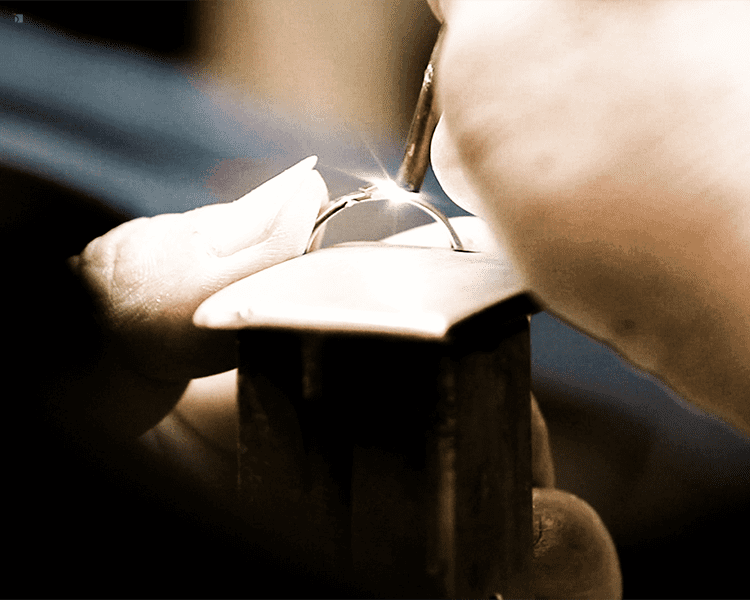
The correct way to resize a ring is by adding or removing metal from the ring shank, which is the band that wraps around the finger. This allows the jeweler to increase or decrease the ring size without compromising the ring’s durability. The shank is carefully adjusted to create the new size while maintaining the ring’s original proportions.
To ensure the highest level of craftsmanship, we also avoid metal contamination by always matching the new metal to the original material. For example, if a ring is made from 14k gold, we only use 14k gold during the resizing process. Mixing metals can weaken the structure and affect the final appearance, which is why professional jewelers never combine different metal types when performing resizing.
Restoring the Ring’s Shape and Finish
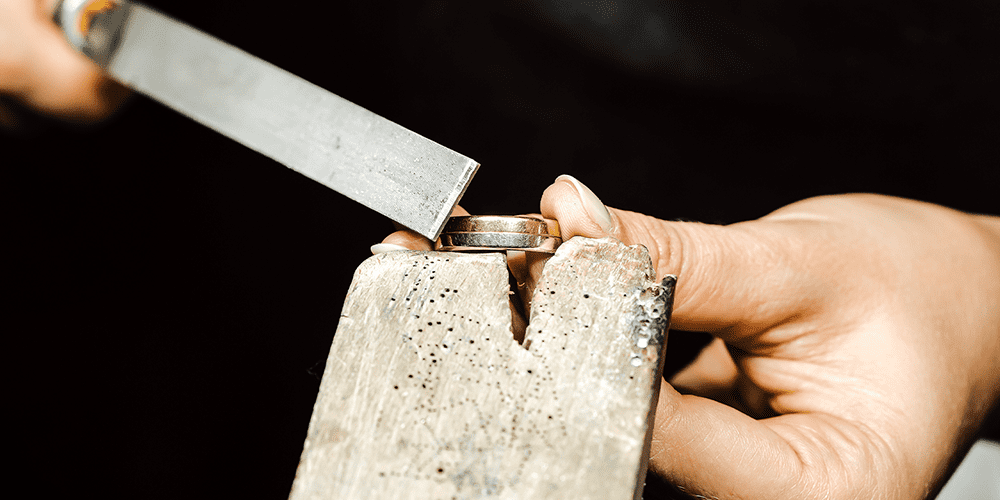
After the ring is resized, the shank is carefully reshaped to restore its perfect circular form before being permanently joined together. The ring is then thoroughly cleaned to remove any oxidation that may occur during the soldering process.
Once the structural work is complete, the ring undergoes professional polishing inside and out to smooth the surface and restore its original finish. When the process is done correctly, there should be no visible signs that the ring was ever resized.
Laser Welding for Platinum Rings
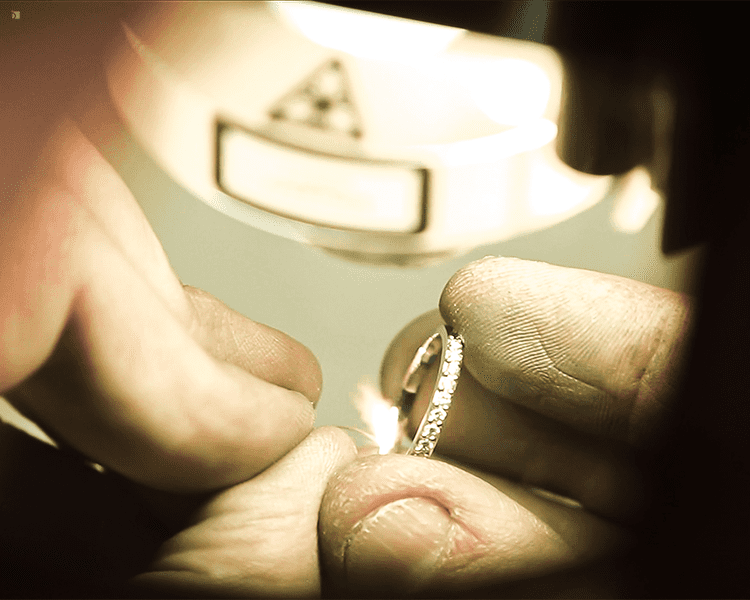
Platinum rings require special attention due to their high melting point and unique metal properties. For these pieces, our Master Jewelers use advanced laser welding technology, which precisely fuses the metal molecules together. This process creates a bond that is just as strong as the original metal, ensuring the resized section maintains the same durability and integrity as the rest of the ring.
To learn more about metalworking, feel free to visit our Ultimate Metalworking Guide.
What Happens When a Ring Is Resized Up or Down
Ring Resizing Up (Making a Ring Larger)
When resizing a ring up, a jeweler must carefully add a new piece of metal to increase the ring’s circumference. This additional metal is precisely matched to the original material and expertly soldered into the ring shank to ensure a seamless bond.
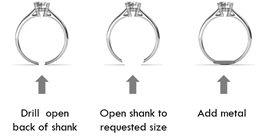
At My Jewelry Repair, our Master Jewelers use high-quality pre-cut butt joint pieces to achieve an exact fit when increasing a ring’s size. This technique helps create a stronger connection between the new and existing metal while preventing visible solder lines. It also reduces the risk of thin shanks or metal porosity, resulting in a more durable and aesthetically flawless final result.
By using precise measurements and expert craftsmanship, the resized ring maintains its structural integrity while appearing exactly as it did before—only now with the perfect, comfortable fit.
Ring Resizing Down (Making a Ring Smaller)
When resizing a ring down, the process involves carefully removing a small section of metal from the bottom of the ring shank. Once the appropriate amount of metal is removed, the jeweler brings the two ends of the band together and permanently joins them using professional soldering techniques.
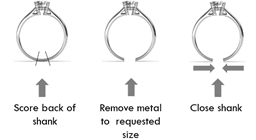
After the ring is rejoined, the band is reshaped, cleaned, and polished to restore its original circular form and finish. When performed by experienced jewelers, there should be no visible indication that the ring was resized.
At My Jewelry Repair, our Master Jewelers ensure that the resized portion of the ring is just as strong and durable as the original metal. The final step is a complete professional polish, leaving your ring looking as brilliant as the day it was first purchased—now with a fit that feels better than ever.
How Ring Design Can Affect Ring Resizing
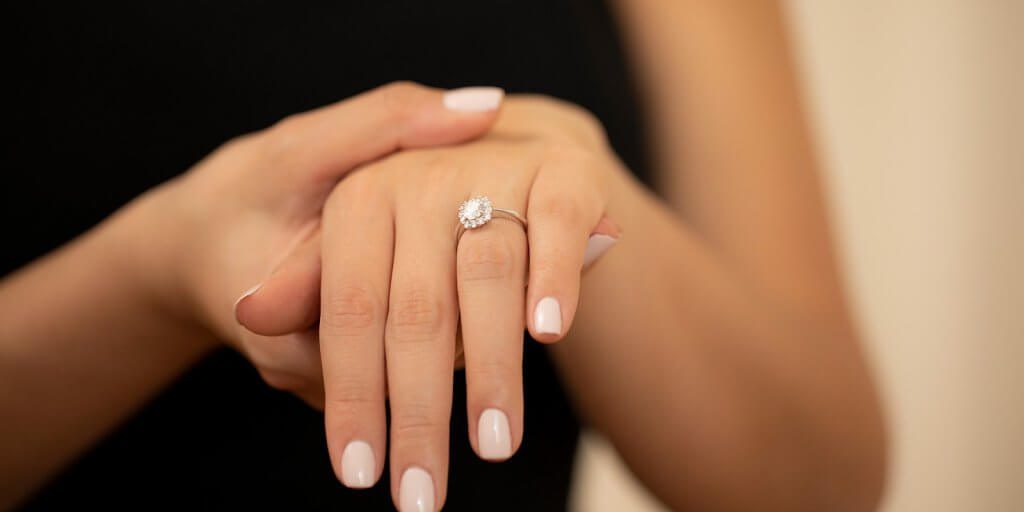
Not all rings can be resized the same way. The design of the ring, including the metal type, gemstone settings, and band structure, plays a major role in determining how much a ring can be resized—or whether it can be resized at all.
In many cases, simple rings can be resized two to three sizes up or down, while rings with intricate designs or gemstones may have more limited resizing options. Because every ring is unique, professional jewelers carefully evaluate the ring’s construction before performing any resizing work.
Rings Without Stones
Rings that feature a plain metal band and no gemstones are typically the easiest to resize. If the band has enough solid metal and is not hollow, a jeweler can usually resize the ring with minimal limitations. These types of rings allow the jeweler to add or remove metal from the shank while preserving the ring’s original strength and appearance.
Rings with Gemstones
Rings that contain gemstones require additional care during the ring resizing process. The number of stones, their placement, and the type of setting can all affect how much the ring can safely be resized.
If gemstones extend close to the bottom of the ring shank—the area where resizing typically occurs—they may become unstable during the process. For this reason, our Master Jewelers carefully inspect every ring and gemstone before beginning any resizing work to ensure the stones remain secure.
Prong-Set Stones
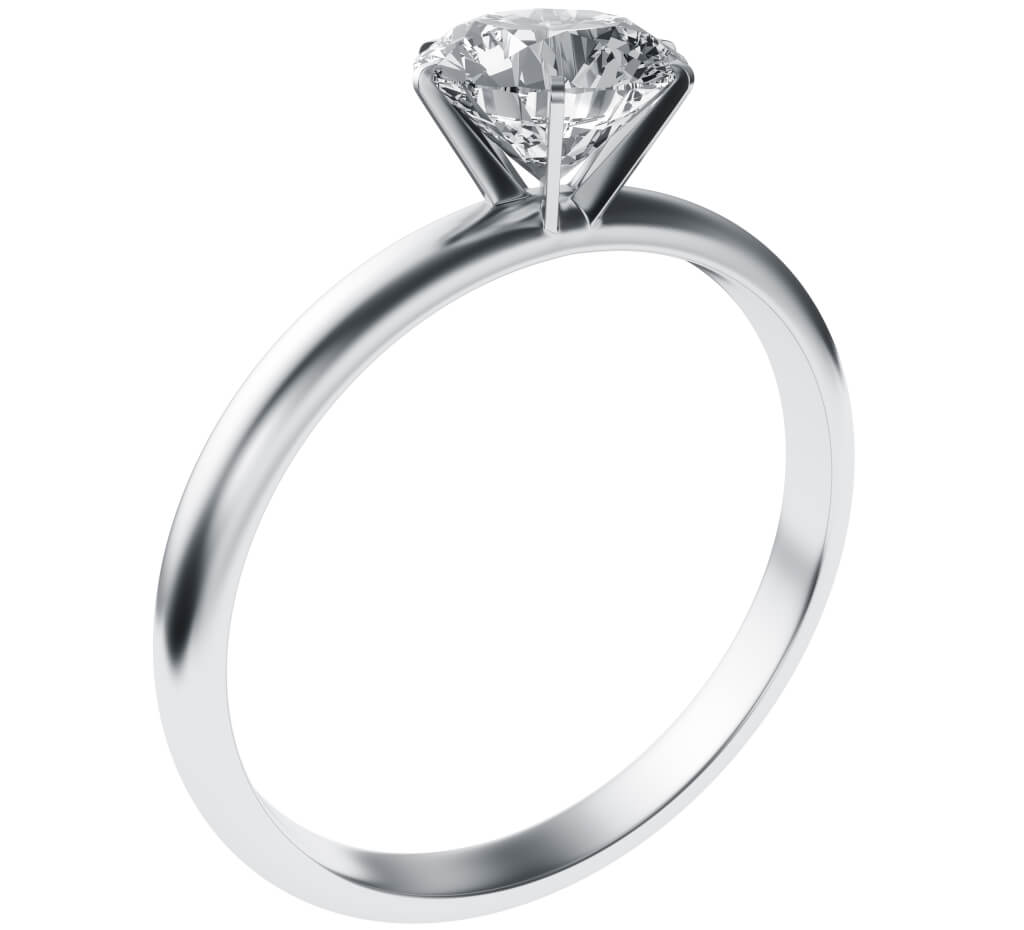
Rings with prong-set gemstones are usually easier to resize because the stones sit above the metal band and are held in place by prongs. If a stone becomes slightly loose during the resizing process, it can typically be tightened and secured without difficulty.
Channel-Set and Pavé Stones
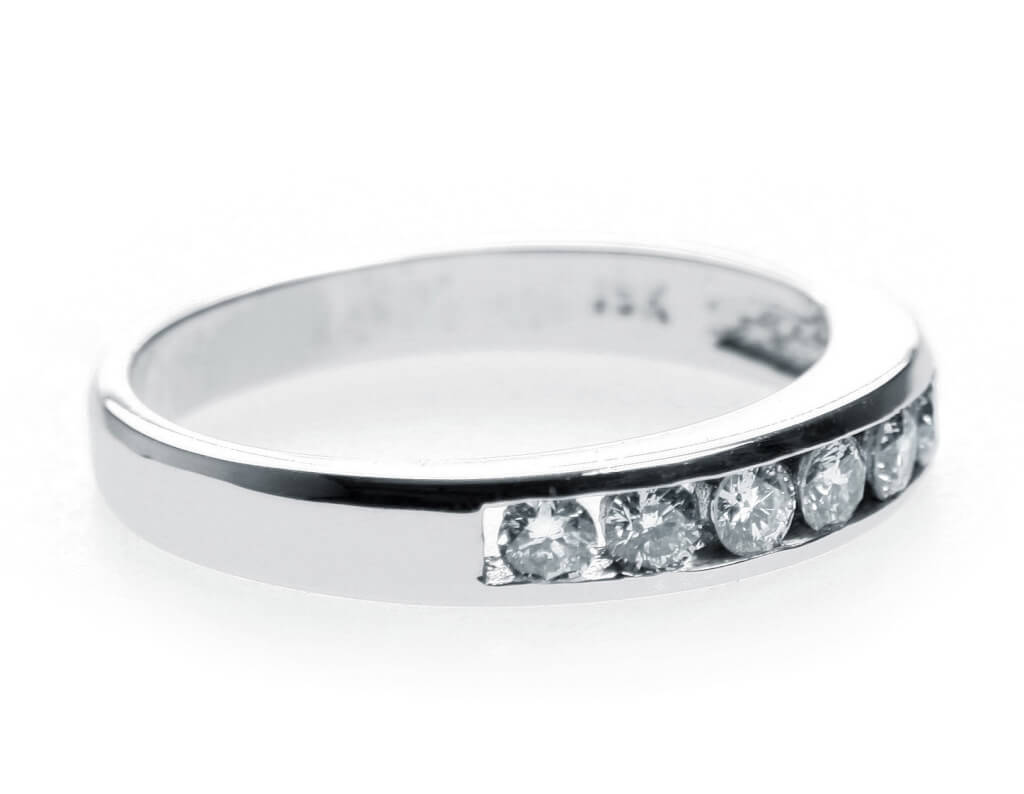
Rings with channel-set or pavé-set stones require extra caution when resizing. In these settings, the stones are embedded directly into the metal band, which is the part of the ring manipulated during resizing. Because of this, resizing may cause stones to loosen, chip, or shift, which can limit how much the ring can safely be adjusted.
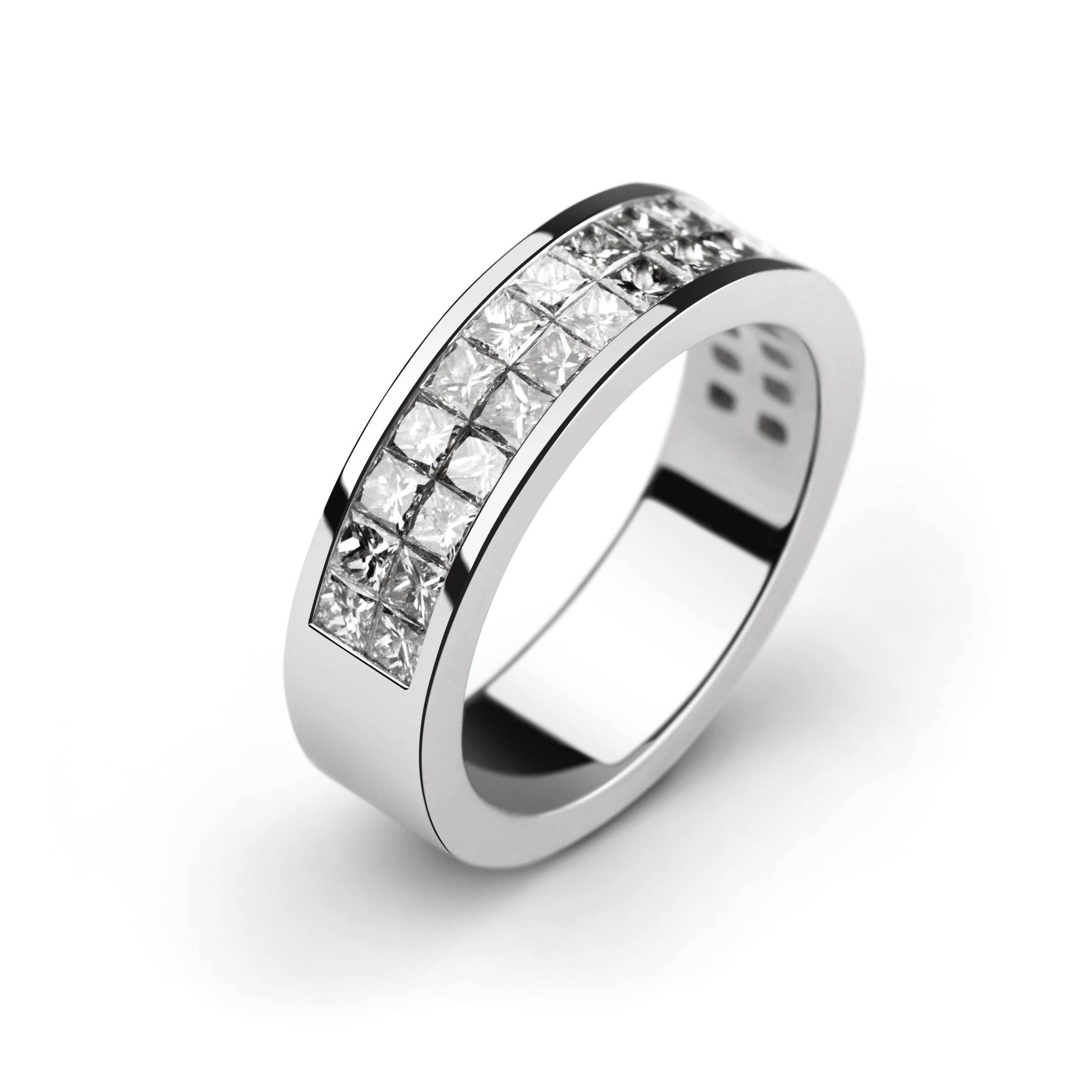
Invisible-Set Stones
Invisible settings are among the most intricate and technically demanding ring designs. In this style, gemstones sit closely together without visible metal between them, creating the illusion of a single large stone. Because the stones rely on both the metal structure and each other for support, resizing opportunities are extremely limited and should only be performed by highly trained Master Jewelers.
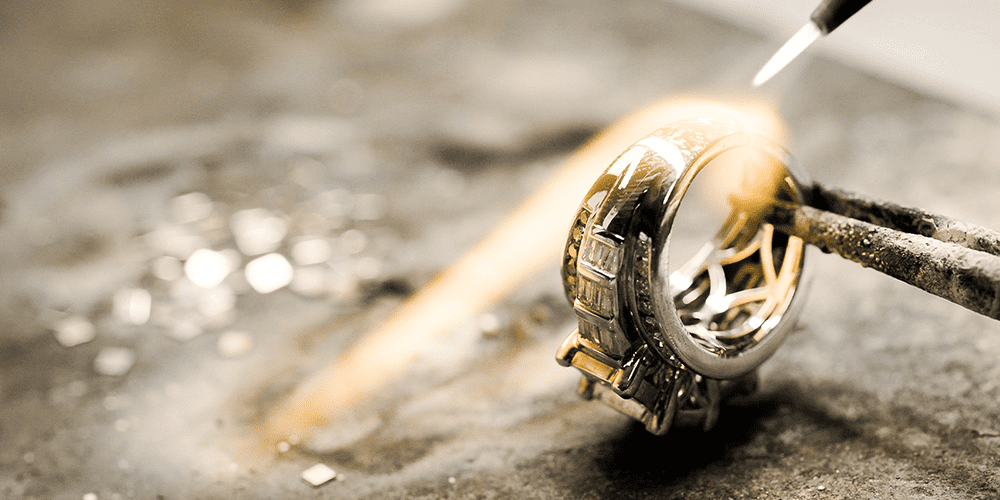
In some cases, gemstones may need to be temporarily removed and reset after resizing. This protects them from potential heat exposure during the soldering process. At My Jewelry Repair, we often use Induction Welders, which focus heat precisely where it is needed to minimize risk to surrounding gemstones.
Patterned Ring Shanks
Rings that feature engraved or patterned designs around the entire band can be difficult—or sometimes impossible—to resize. This is because the resizing process requires altering the metal at the back of the shank, which may remove or disrupt the design.
However, some rings include a sizing bar, which is a small plain section at the back of the band specifically designed to allow resizing without affecting the pattern.
Mixed Metal Rings
Rings made from multiple metal types may also have resizing limitations. For example, combining metals such as 18k yellow gold and platinum presents challenges because each metal has a different melting point. Proper ring resizing requires matching the original metal exactly, which is why professional jewelers avoid mixing metals during the resizing process.
Alternative Metals That Cannot Be Resized
Certain modern metals are extremely durable but cannot be resized using traditional methods. These include:
- Titanium
- Stainless Steel
- Tungsten
Because of their hardness and structural properties, these metals cannot be safely cut, soldered, or manipulated like traditional jewelry metals.
Are You Sure Your Ring Needs to Be Resized?
Alternatives to Ring Resizing
While ring resizing is one of the most common jewelry repairs, it isn’t always the best solution for every fit issue. Sometimes a ring may feel loose, spin on your finger, or struggle to slide over your knuckle even though the size itself is correct.
In these cases, professional jewelers may recommend alternative ring adjustment solutions instead of traditional resizing. These methods can improve comfort and stability while preserving the original structure of the ring.
At My Jewelry Repair, our Master Jewelers carefully evaluate each ring to determine the best approach for achieving a secure and comfortable fit.


Stabilizing Beads (Sizing Beads)
Sizing beads, also known as stabilizing beads, are small metal beads soldered onto the inside of the ring shank. These beads are made from the same metal as the ring and help reduce spinning by creating a slightly tighter fit on the finger.
Ring Guards
A ring guard is another solution for rings that fit slightly too large. This small piece of metal is soldered inside the ring shank to reduce the internal circumference of the band.
Ring guards are particularly useful when a ring cannot be resized down enough using traditional sizing methods or when a temporary adjustment is preferred.
Spring Shanks
A spring shank is a flexible metal insert placed inside the ring band. This design allows the ring to expand slightly when passing over a larger knuckle and then contract once it reaches the base of the finger.
Spring shanks are an excellent option for individuals who have large knuckles but slimmer fingers, helping the ring stay secure while remaining comfortable to wear.
Arthritic Shanks
For those with significant size differences between the knuckle and finger, an arthritic shank may be the best solution. This specialized ring design allows the band to open and close, making it easier to slide over the knuckle while still fitting securely when closed.
Installing an arthritic shank typically involves replacing the original ring shank, and there are several different styles available depending on the ring’s design and the wearer’s needs.
Achieving the Perfect Fit for Life’s Most Meaningful Rings
Because Comfort and Craftsmanship Should Last a Lifetime
Rings often represent some of life’s most meaningful moments—from engagements and anniversaries to heirlooms passed down through generations. But even the most beautiful ring won’t feel right if it doesn’t fit properly. Understanding how ring resizing works—from sizing limitations and metal considerations to the craftsmanship required—helps ensure that your ring remains both comfortable and structurally sound for years to come.
At My Jewelry Repair, our Master Jewelers approach every resizing with the same care and precision as the day the ring was first created. By carefully adding or removing metal, restoring the ring’s circular form, and polishing it to perfection, we ensure that your ring returns looking flawless—with no visible signs of the adjustment. Because when a ring carries meaning, achieving the perfect fit isn’t just about size—it’s about preserving the beauty and integrity of the piece for the moments still to come.
Interested in Resizing Your Ring?





We are proud members of the

Our team has gemologists certified by