
The First ever Skeleton Watch
Discover the history of the first skeleton watch, created in the 18th century by André-Charles Caron, and explore how this bold innovation evolved into the intricate skeleton wristwatches admired today.

The First Skeleton Watch
From 18th-Century Pocket Watches to Modern Masterpieces
Watches aren’t just about keeping time—they’re about telling stories. Few designs capture this idea better than the skeleton watch, where the movement’s inner workings are on full display. What began as a radical idea in the 18th century has grown into a hallmark of luxury watchmaking, admired for both its artistry and engineering. Let’s take a look back at how the skeleton watch was born and how it continues to evolve today.
History of the First Skeleton Watch
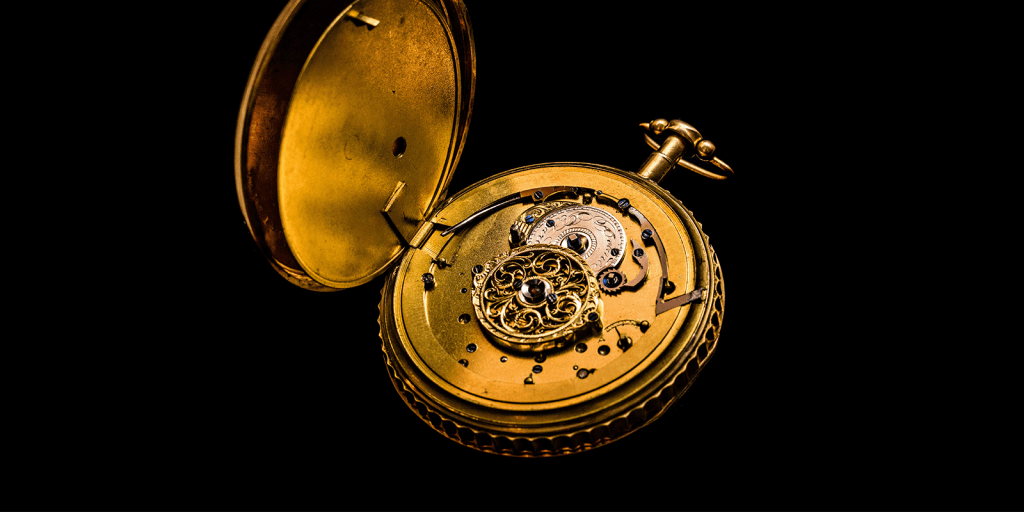
The skeleton watch traces its origins back to André-Charles Caron, a French watchmaker in the 1760s. Instead of following the convention of covering the delicate mechanics with a solid dial, Caron began cutting away parts of the plates and bridges. The result? A pocket watch that revealed the beauty of its own inner machinery. This was groundbreaking at the time, turning the hidden into the highlight.
Caron’s early skeleton watches weren’t just functional—they were designed to impress. In an era when pocket watches were as much fashion statements as timekeepers, his creations allowed wearers to showcase not only their wealth but also their appreciation for craftsmanship. These skeletonized designs marked a shift in watchmaking, blending utility with artistic expression.
Skeleton Watches as Works of Art
As the technique spread through Europe, skeletonization became more elaborate. Watchmakers began to engrave the remaining surfaces, creating ornate patterns that made each piece unique. The process required extreme skill: carving away too much could compromise the watch’s structure, while carving too little would fail to achieve the open-worked effect.
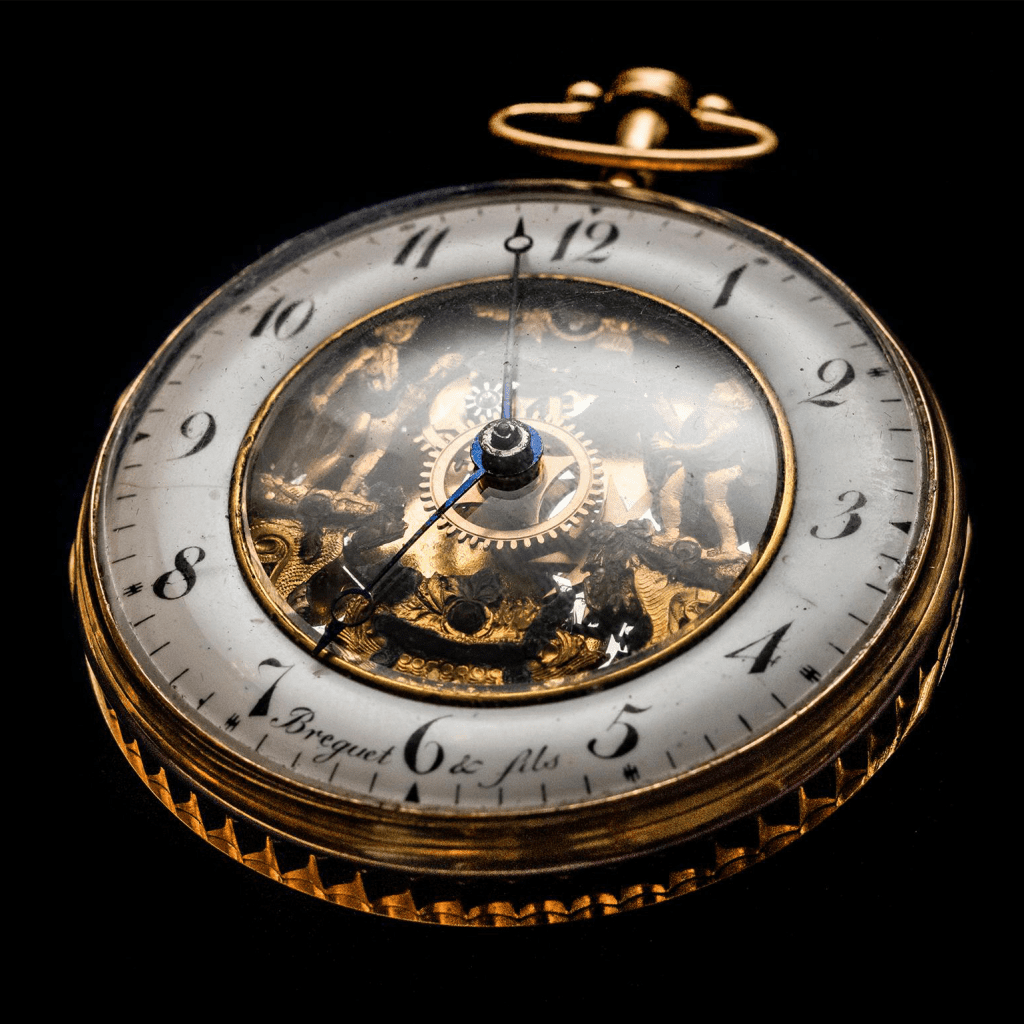
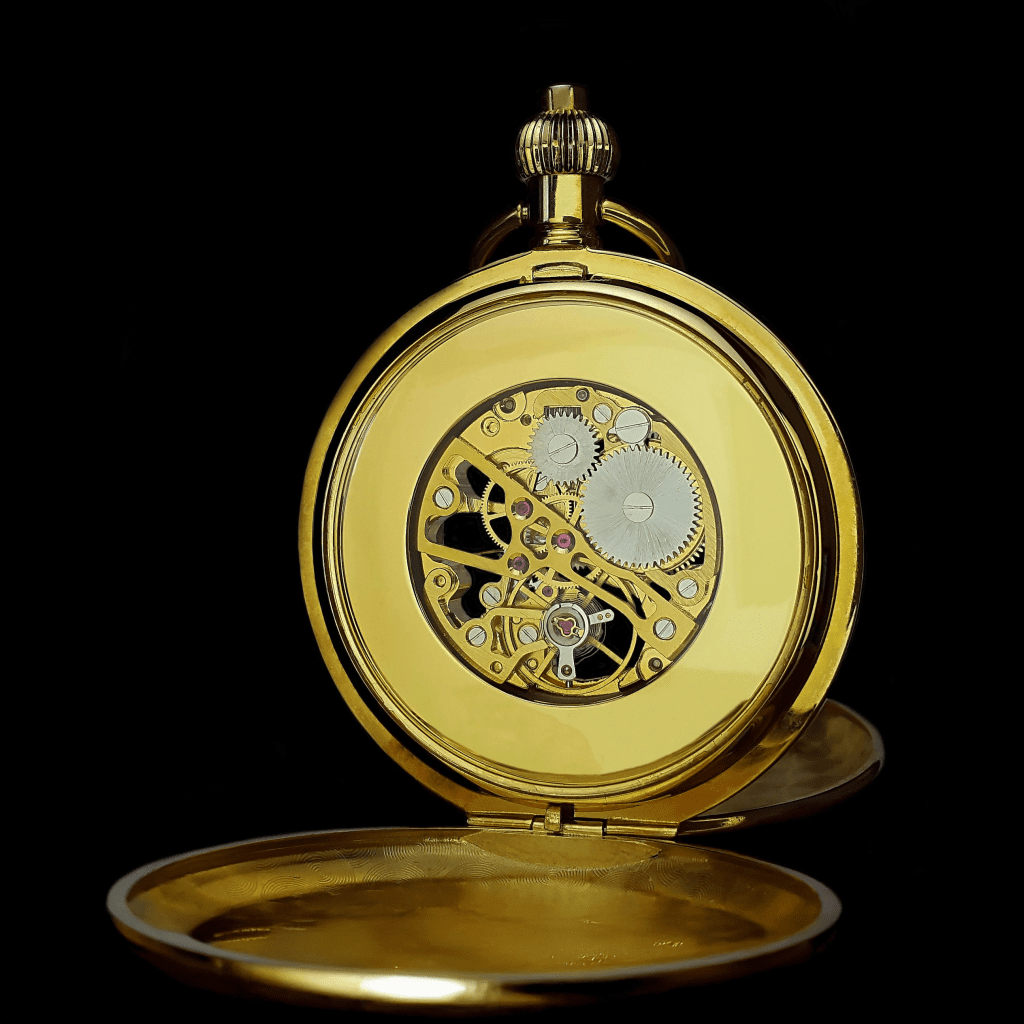
The artistry of skeleton watches turned them into objects of prestige. Collectors prized them not only for their technical ingenuity but also for their aesthetic qualities. By the 19th century, skeletonization had become a celebrated expression of watchmaking artistry, sitting at the crossroads of engineering and decorative design.
The Evolution of Skeleton Watches into Wristwatches
For over a century, skeletonization was mostly seen in pocket watches. It wasn’t until the early 20th century—when wristwatches became mainstream—that the technique found a new canvas. Initially, wristwatches emphasized durability and practicality, especially during World War I. But as the industry matured, watchmakers began to revisit skeletonization as a way to elevate their designs.
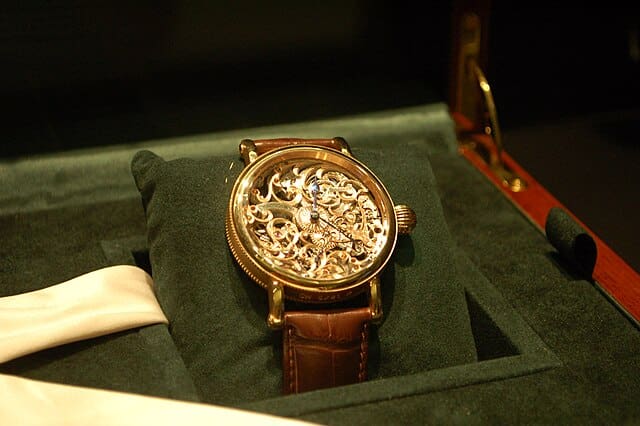
By mid-century, high-end Swiss brands experimented with skeleton wristwatches, using transparent casebacks and open dials. These designs allowed wearers to appreciate the mechanics of timekeeping on their wrists, bringing Caron’s original vision into a modern format. Skeleton wristwatches quickly became synonymous with luxury and exclusivity.
Modern Skeleton Watches Today
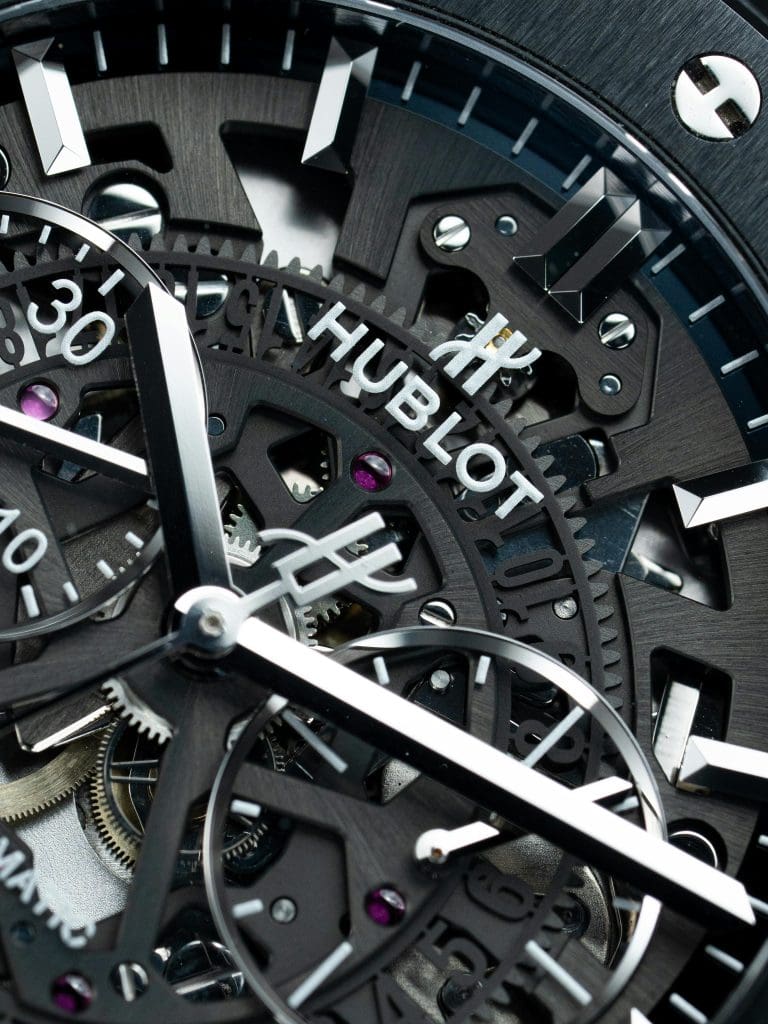
Today, skeleton watches are celebrated as some of the most daring and artistic creations in horology. Brands like Cartier, Audemars Piguet, and Hublot push the boundaries with bold, futuristic interpretations, often combining skeletonization with materials like sapphire, titanium, or carbon fiber. These watches blur the line between traditional craftsmanship and cutting-edge innovation.
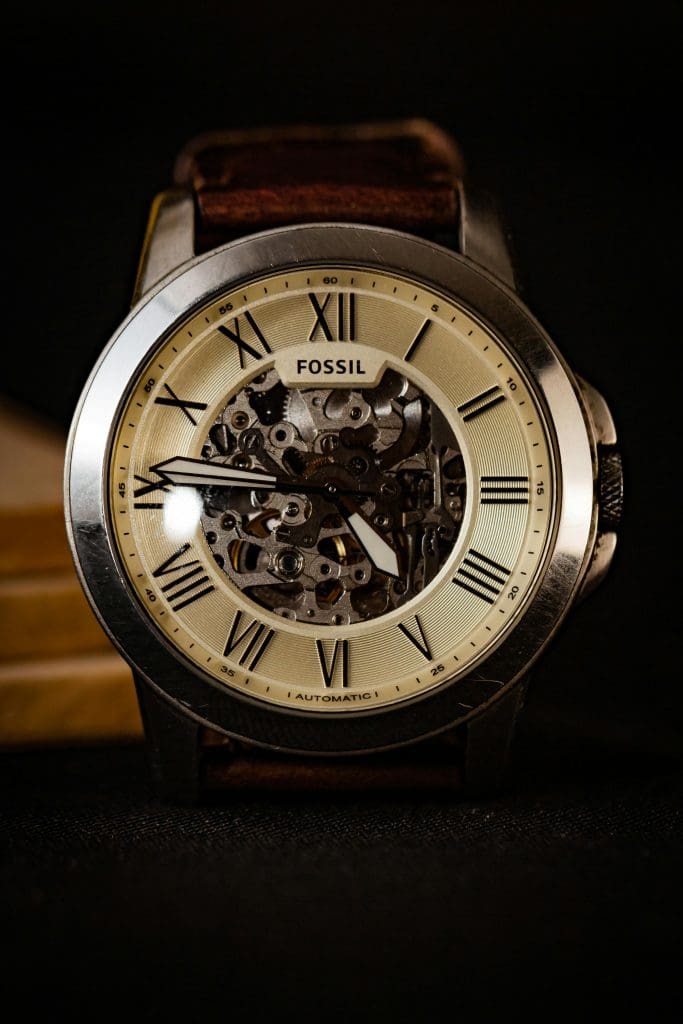
At the same time, skeletonization has become more accessible. Fashion-forward brands and even entry-level watchmakers have adopted open-heart or skeleton-inspired designs, allowing a broader audience to enjoy a glimpse of the mechanics once reserved for elite collectors. Whether minimalist or extravagant, the skeleton watch remains a timeless symbol of transparency and artistry.
Resources:
- A BRIEF HISTORY OF THE SKELETON WATCH & WHY IT SCREAMS LUXURY: https://culted.com/
- The Evolution of Skeleton Watches: From Tradition to Modern Innovation: https://thomas-earnshaw.com/
- ¹Chronoswiss Zeitzeichen V by Benzinger Photo via Wikimedia: https://commons.wikimedia.org/
- Blog outline and revising assisted by AI resources such as Google Gemini.

Interested in Restoring Your Precious Piece?





Our team has gemologists certified by

We are proud members of the